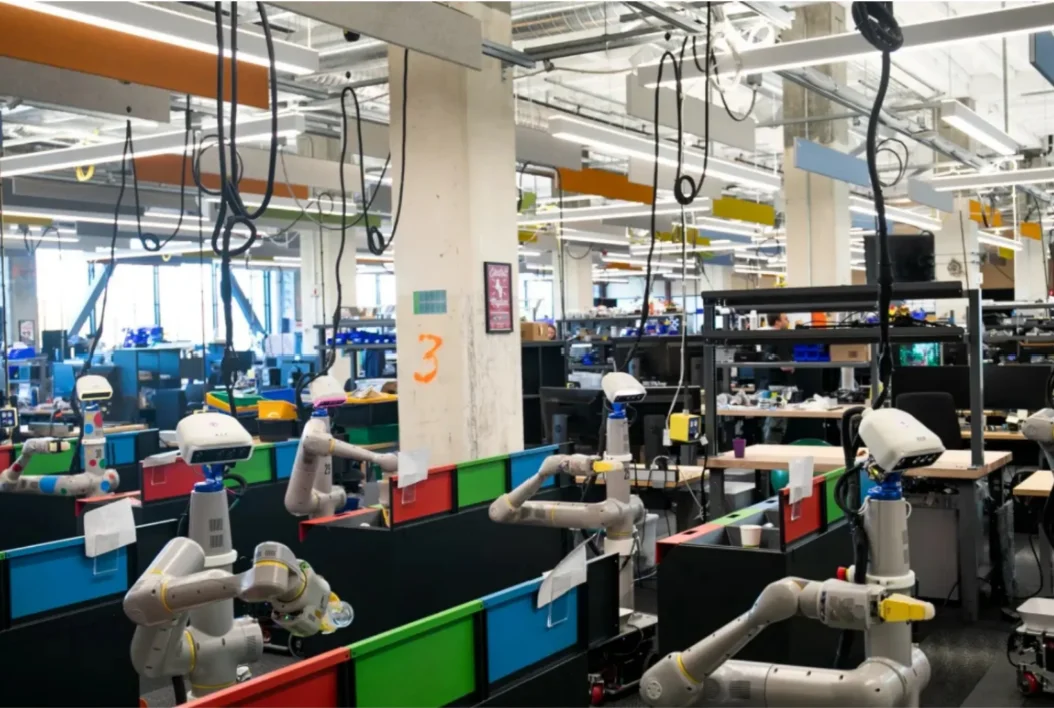
At X, the support team lived in the space between prototype engineering and the people working with the robots every day. A misplaced cable, a bad calibration, and a software regression could all look like the same problem until we got to the robot.
Everyday Robots was a moonshot for general-purpose helper robots that could operate around people. A factory robot can count on a fixed work cell. A robot in an office has to navigate changing spaces, find objects, and grasp them without everything being lined up for it. The prototypes gave researchers a platform to work on perception, navigation, and manipulation together.
I was a contractor on the team from July 2018 to October 2021. I started in robotics support and grew into mechatronics work as the program moved from early prototypes to newer fleet hardware. The support team sat between the people designing individual subsystems and the operators who saw the whole robot fail or succeed in the room.
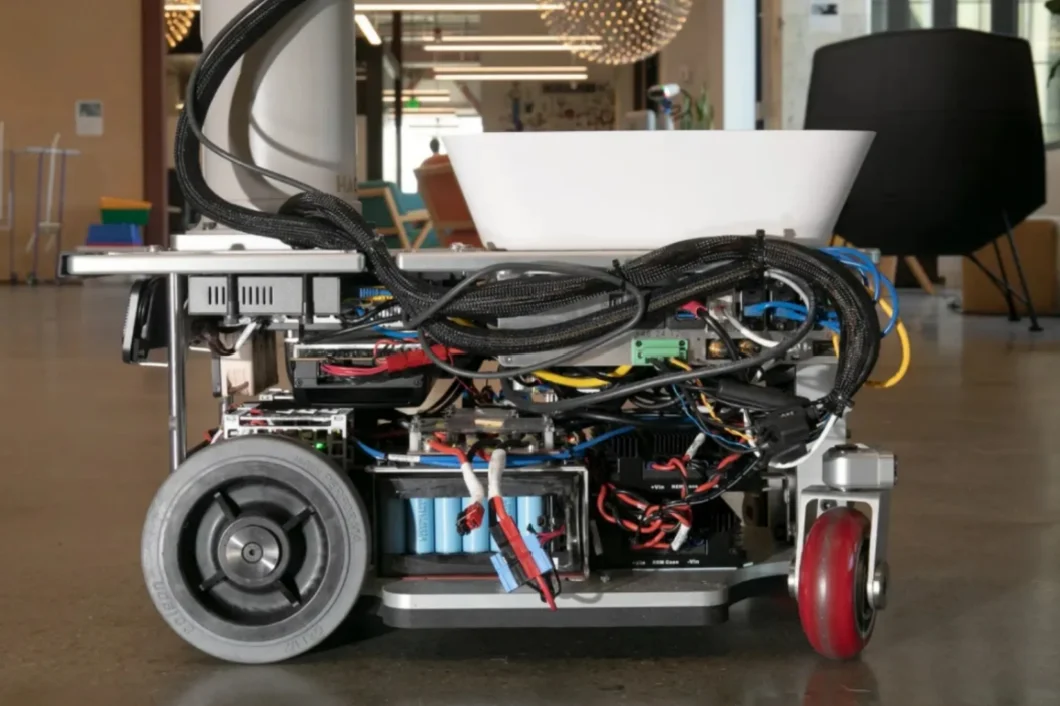
A report usually began with an observation, not a diagnosis: the robot lost a camera, stopped moving correctly, or wouldn’t complete a test. I pulled logs from the onboard Linux systems, checked joints and sensor connections, and reproduced failures on a bench or test stand as needed. I also built or repaired harnesses and ran hands-on LiDAR and stereo-camera calibration. My responsibility was to fix what we could and give the specialist team something concrete when we couldn’t.
Project imageRobot hardware detail
Testing a build before it reached the fleet
A software release could look fine in isolation and still cause trouble on a physical robot. I helped install builds and run scripted motion and sensor checks on the hardware we supported. When a check exposed a regression, I worked with engineers to narrow down what changed and helped restore a known-good release so the team could keep using the fleet while we investigated.
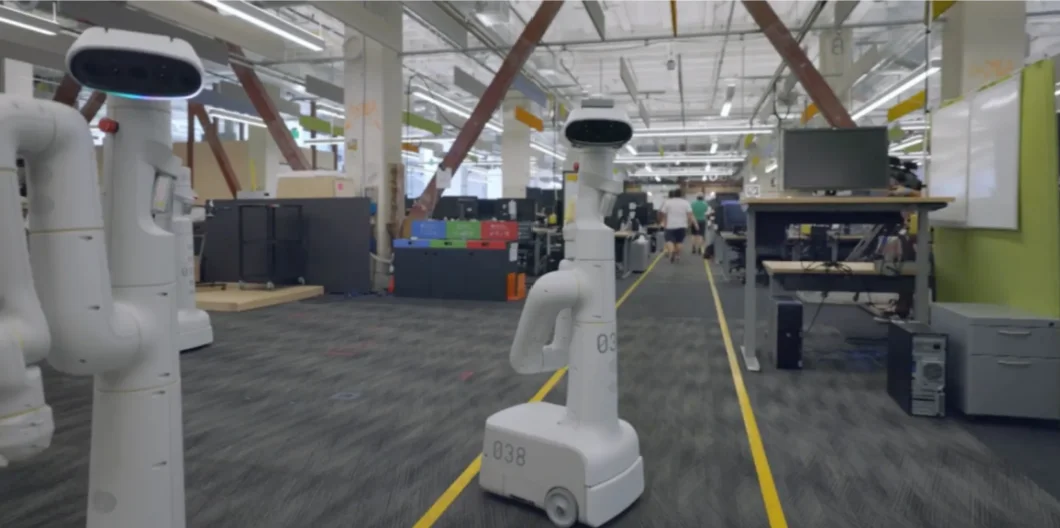
Project imageRobot navigating the workspace
Getting a fleet into real spaces
Deployment across three Bay Area sites involved more than moving robots. We had to work through staging, charging, storage, environmental needs, and how a robot would get back to the team when it failed. I helped coordinate those pieces, trained operators, and wrote repair and operating procedures as the hardware and release process changed.
How it fit together
From a fault report to a field-ready robot
Reproduce itOperator notes, onboard logs, and physical checks
Isolate itSeparate sensor, mechanical, and software faults
Send it back outValidate the repair and document what changed
 Wandering Interest